How might access to solar-powered products improve the lives of households living on the edge of the electrical grid?
Overview
| BRIEF | APPROACH |
|---|---|
| Investigate the uses, painpoints, and aspirational dimensions, of households depending on portable solar-powered devices in their everyday. |
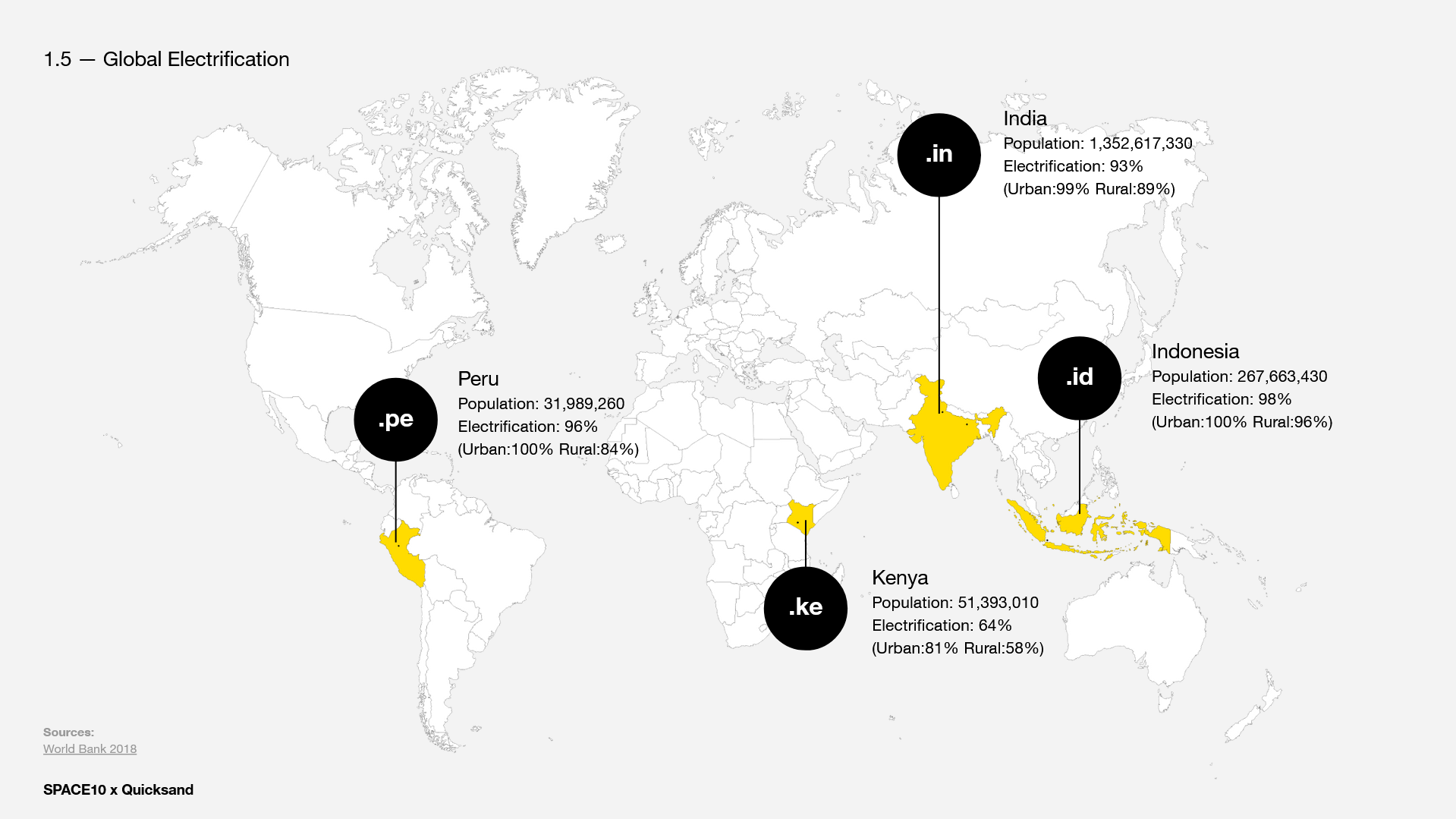
We visited 40 households in Kenya, Peru, Indonesia, and India to explore pathways towards universal access to clean energy. In high-income countries, electricity is a commodity that many of us take for granted. But globally, around two billion people still live with limited or no access to electricity. Collaborating with Quicksand, we visited 40 families in Kenya, Peru, Indonesia, and India to better understand what that means for everyday life at home. In our Life Without Energy report, we unfold their stories — and explore how clean energy, including solar and off-grid solutions, could unlock humanity’s full potential. |
Field Visit
| The field research was organized around four week-long visits to four distinct geographies. In each context our research team sought to visit households with varying degrees of electrification. A first visit was organized in India, where our studio was based to align on documentation methods and interview formats. Then each team member visited their own location. I was responsible for coordinating the research phase, and conducting the Peru-based research. |
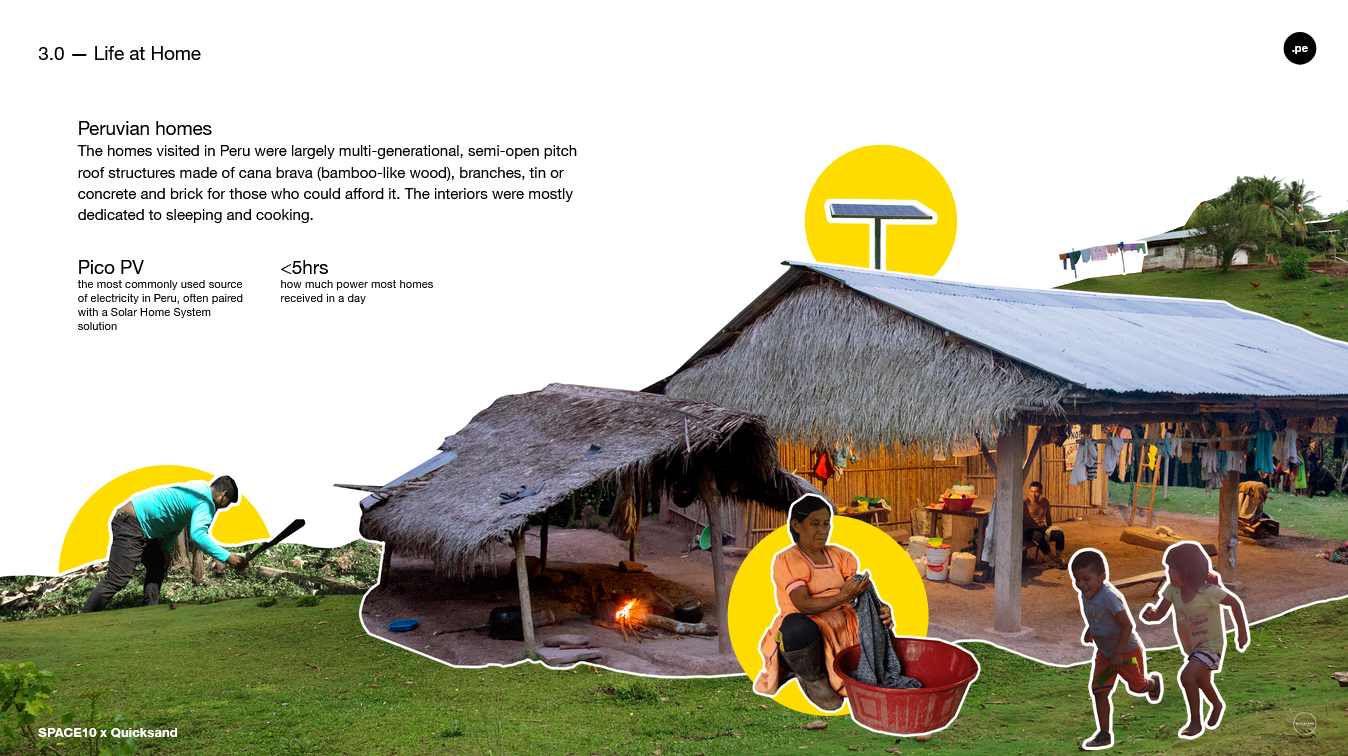
Field Observations
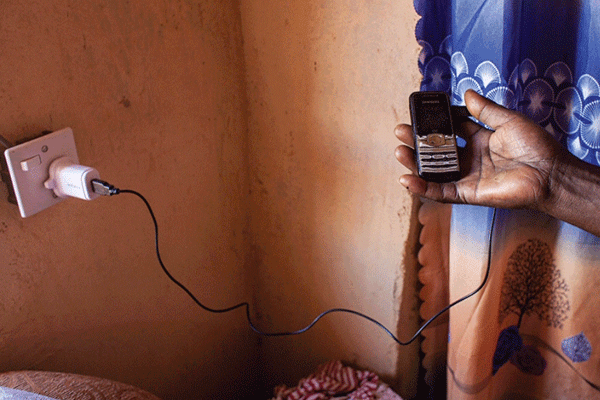 |
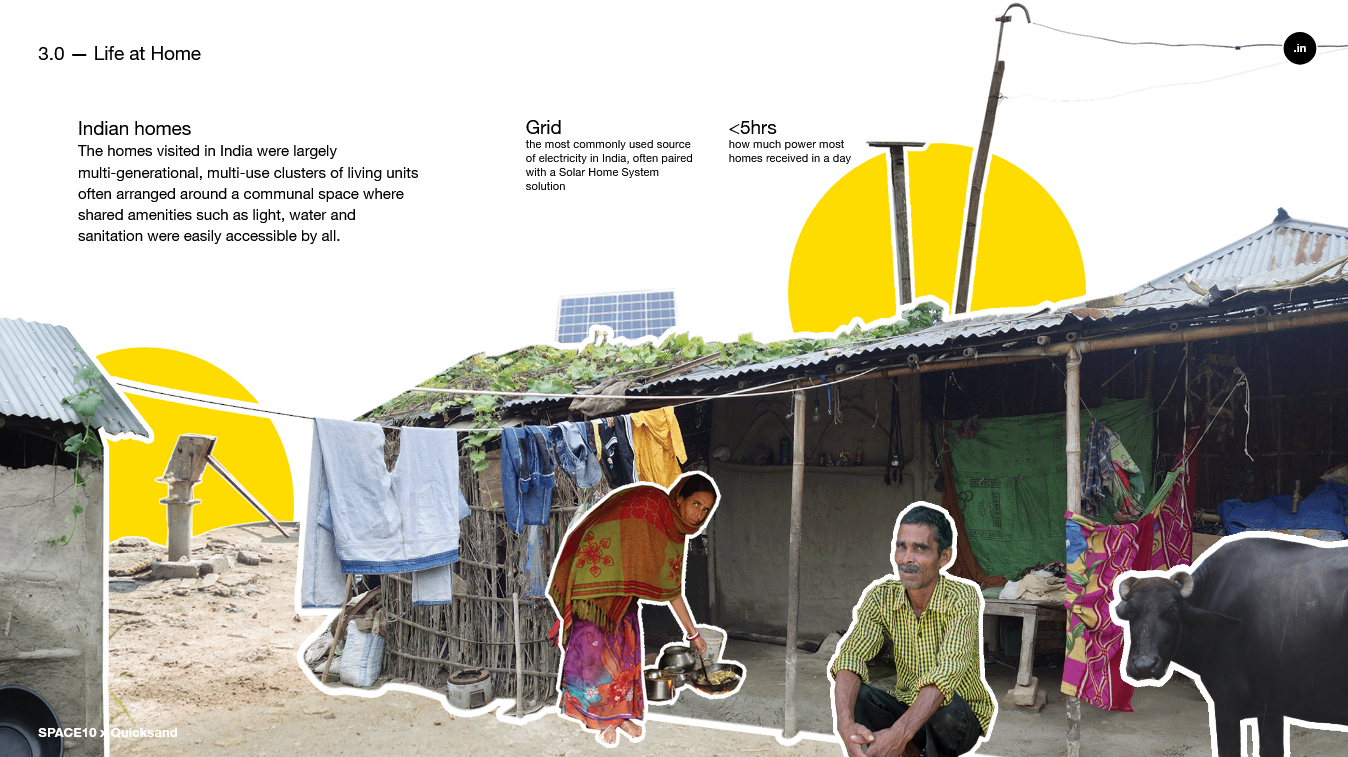
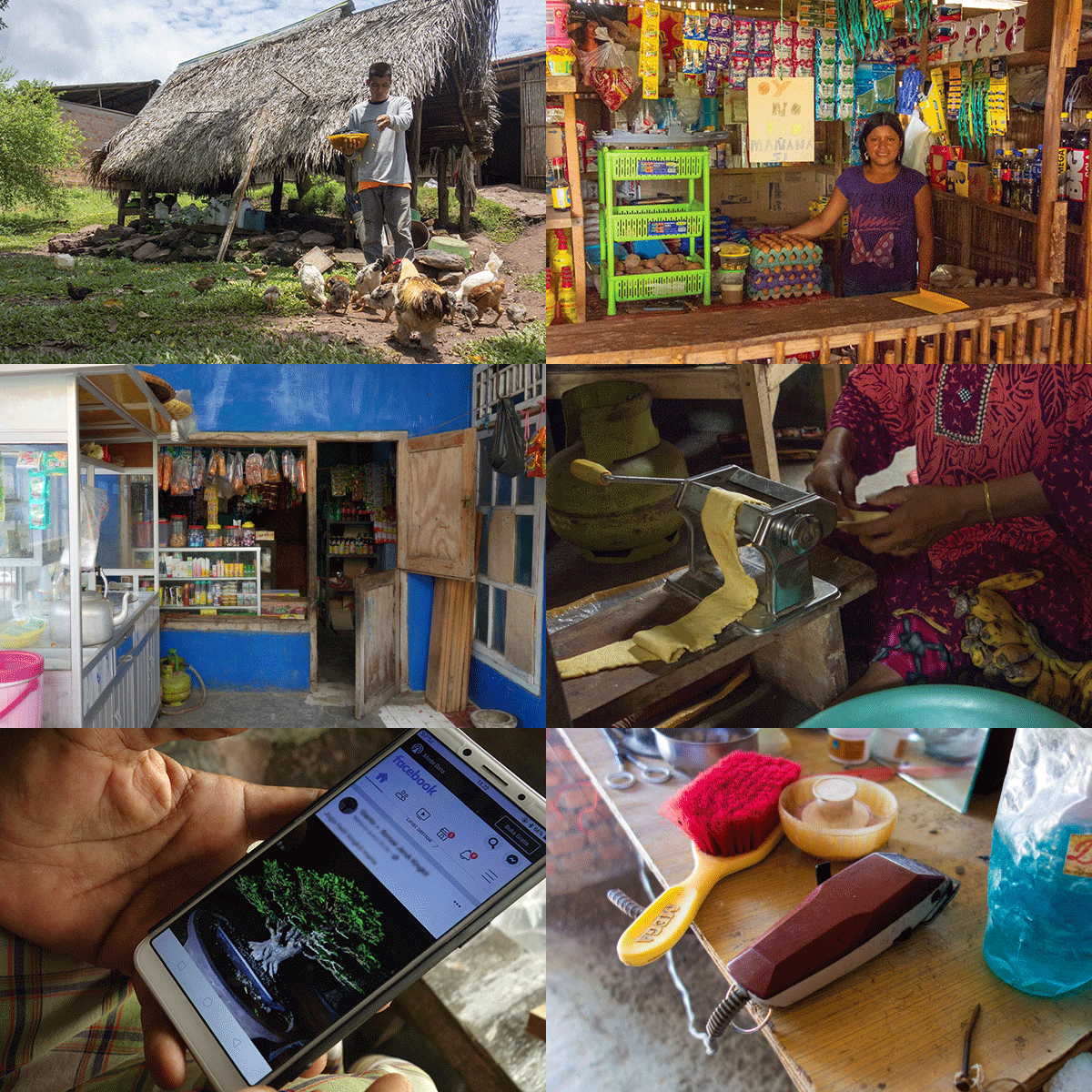
Other priorities Households without electricity often had feature phones which they'd charge at their neighbors' or in the closest city. Many of the households visited within the reach of the grid that did not have electricity were simply unable to afford it. Needs like building stronger homes, affording their children's education fees, or buying food to put on the table often had to be prioritized. That being said, many homes without any electricity had cellphones which they'd charge at a neighbor's home or send into the city when someone was going to the market and pay to charge it at a shop. |
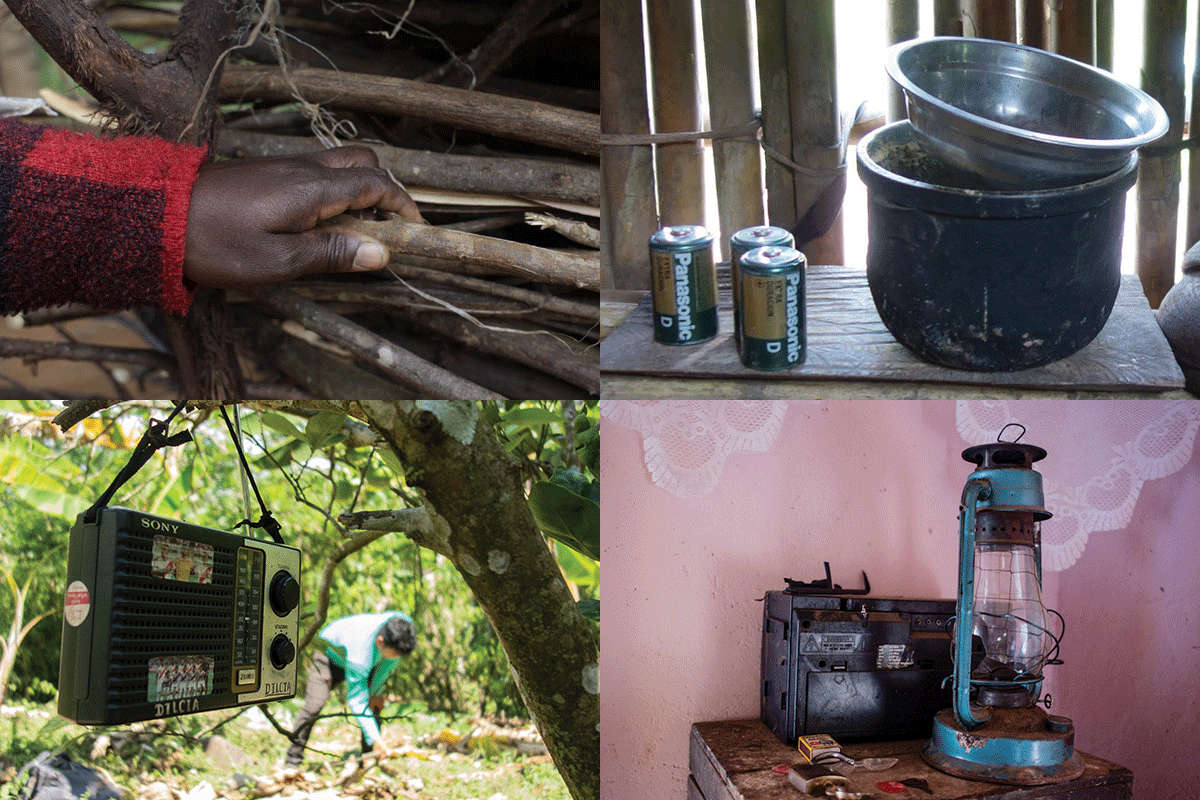 |
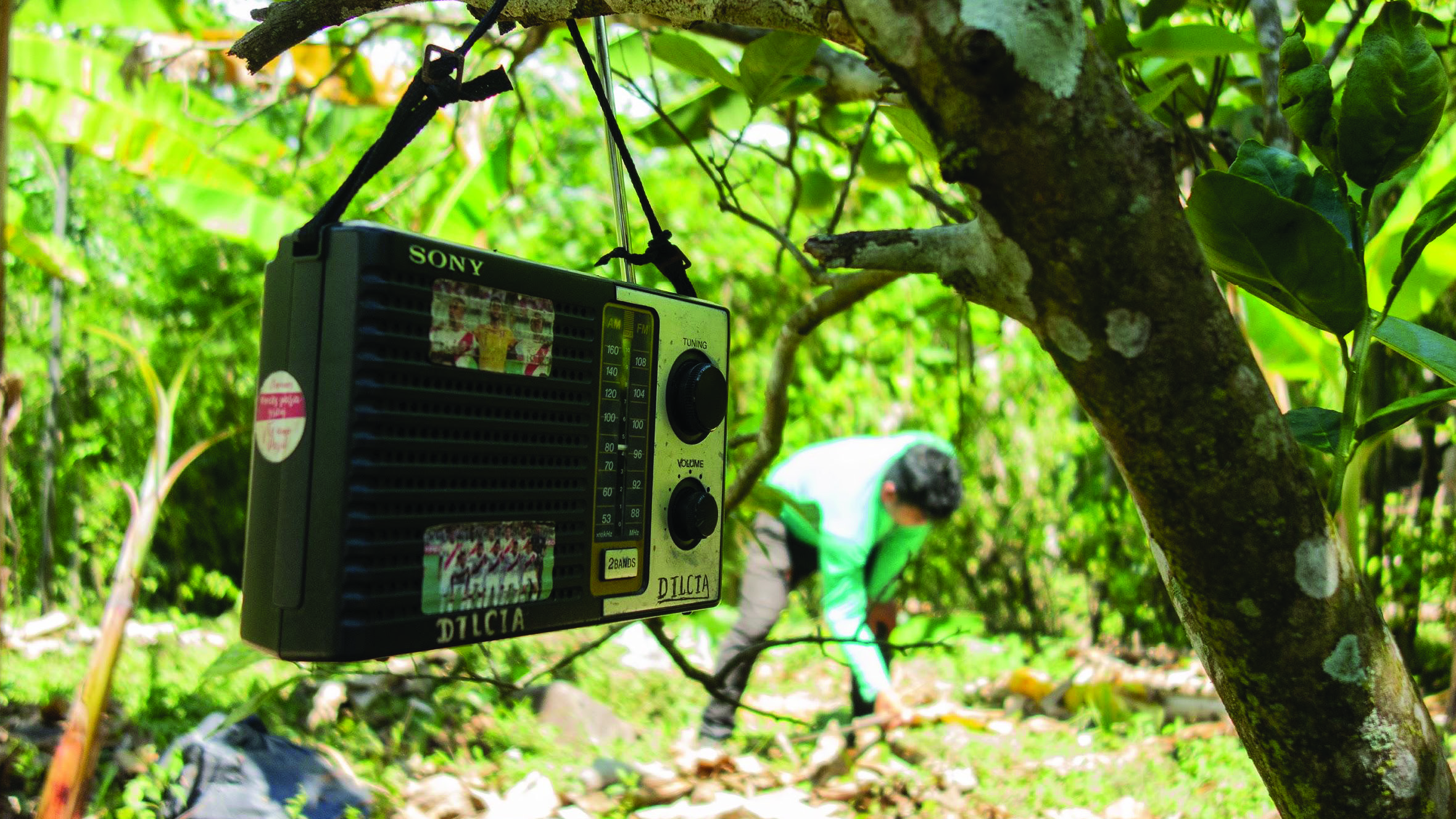
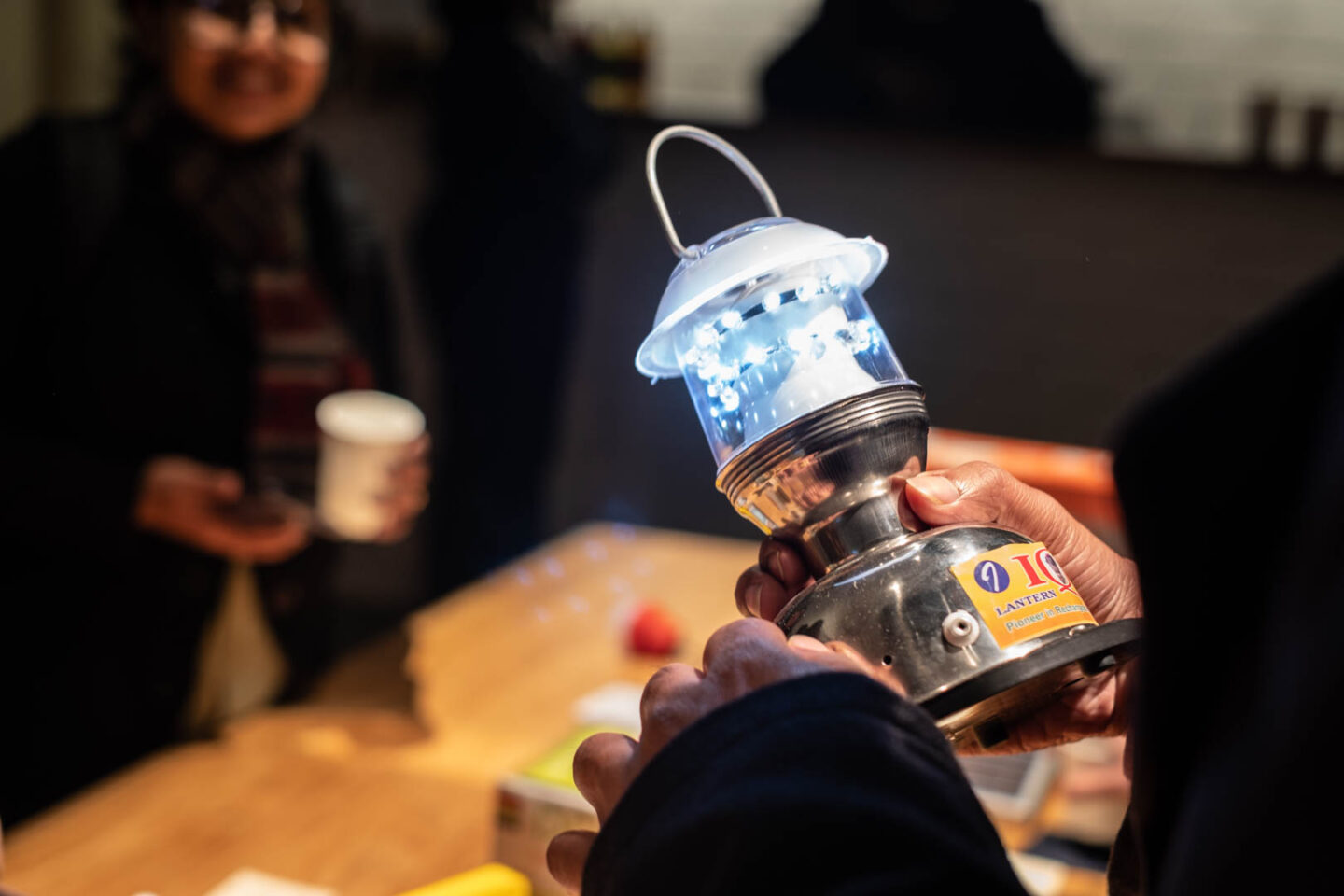
Costly Habits Energy comes from many other sources like combustibles or batteries. Energy needs in low-income households were often met with less sustainable alternatives like firewood for cooking and batteries for electronics like radios. Firewood was appealing because it was freely available to most households and batteries offered easy opt-in and opt-out solutions even if expensive. Oil lamps remained trusted backups as they were easy to fix or assemble from scratch. |
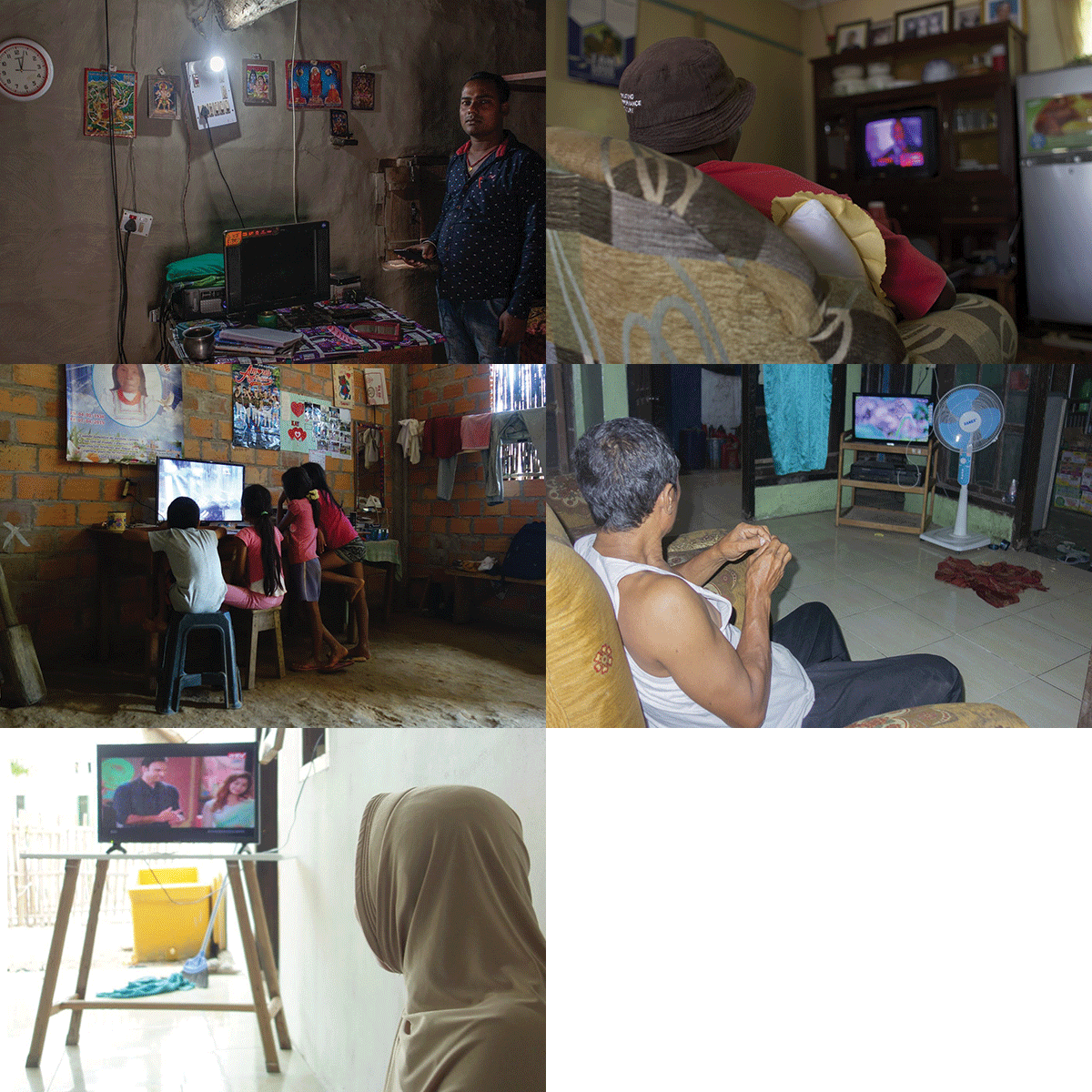 |
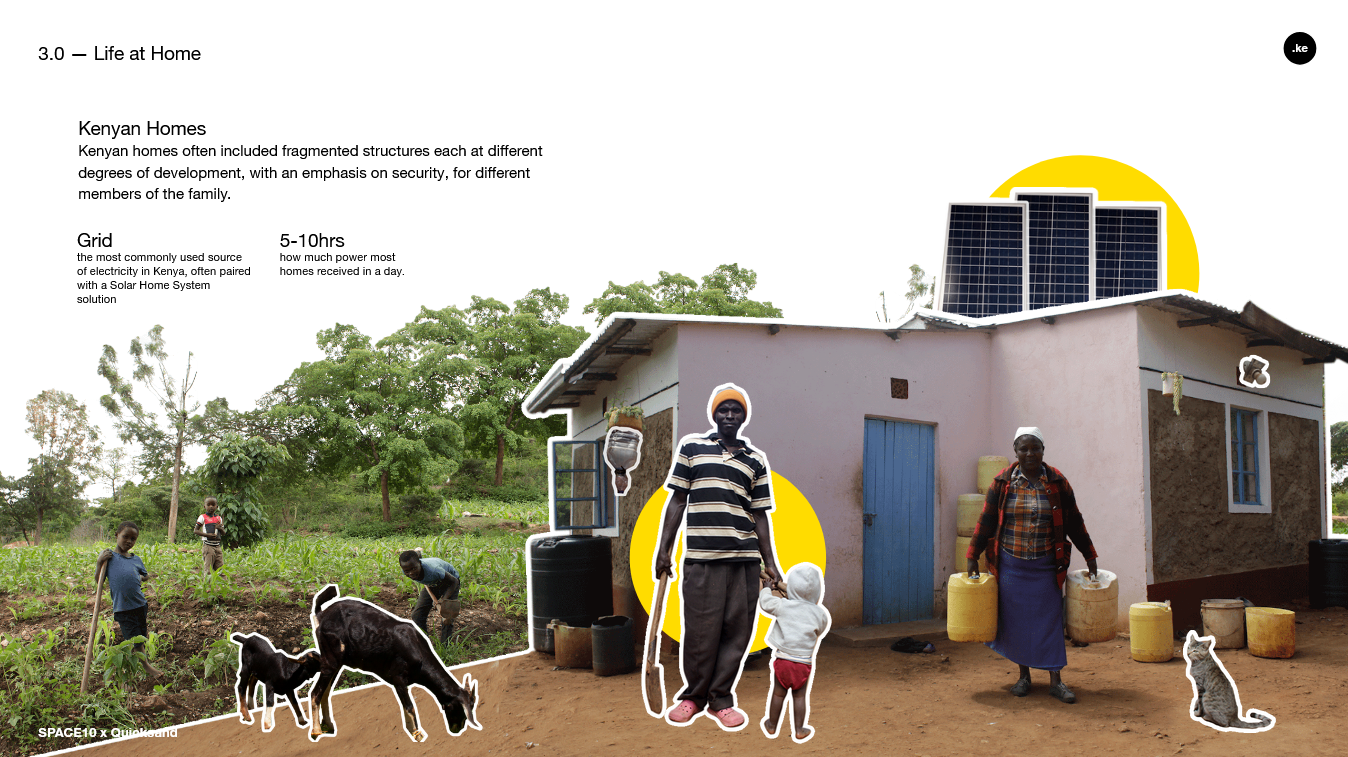
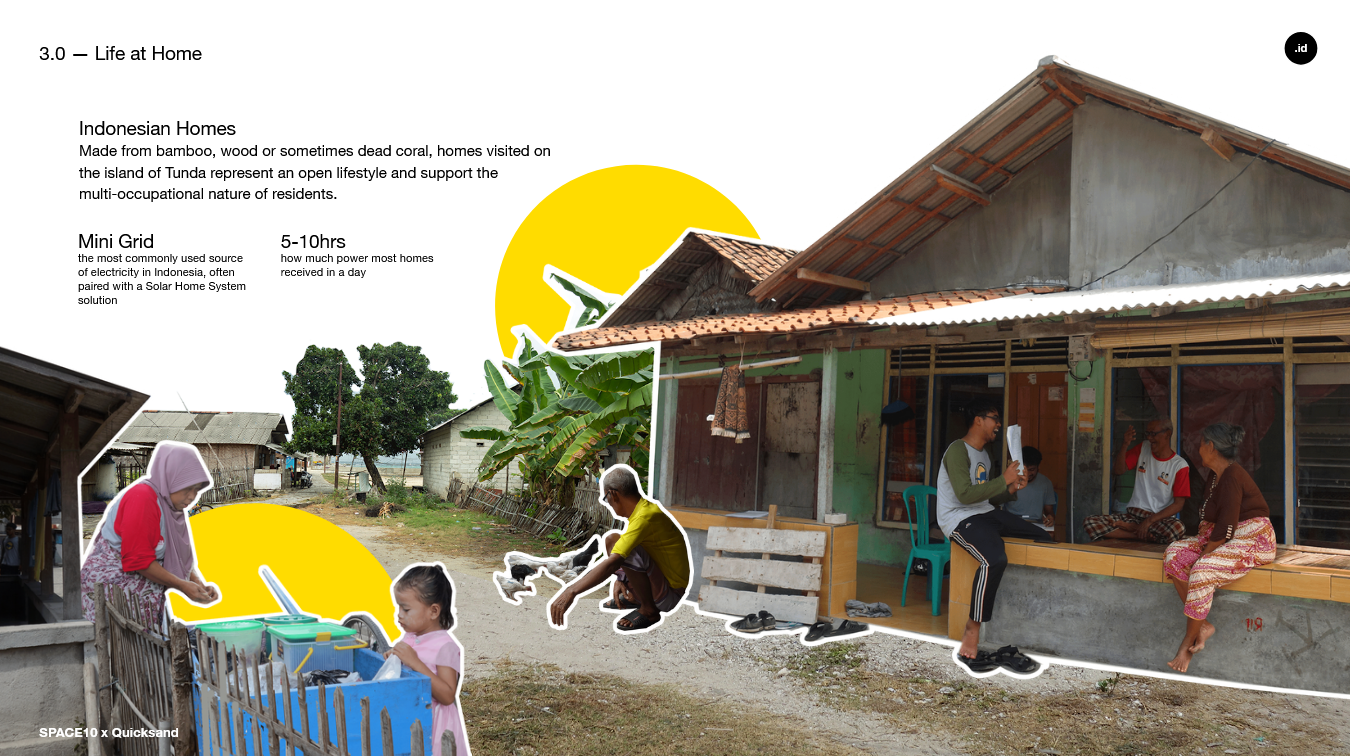
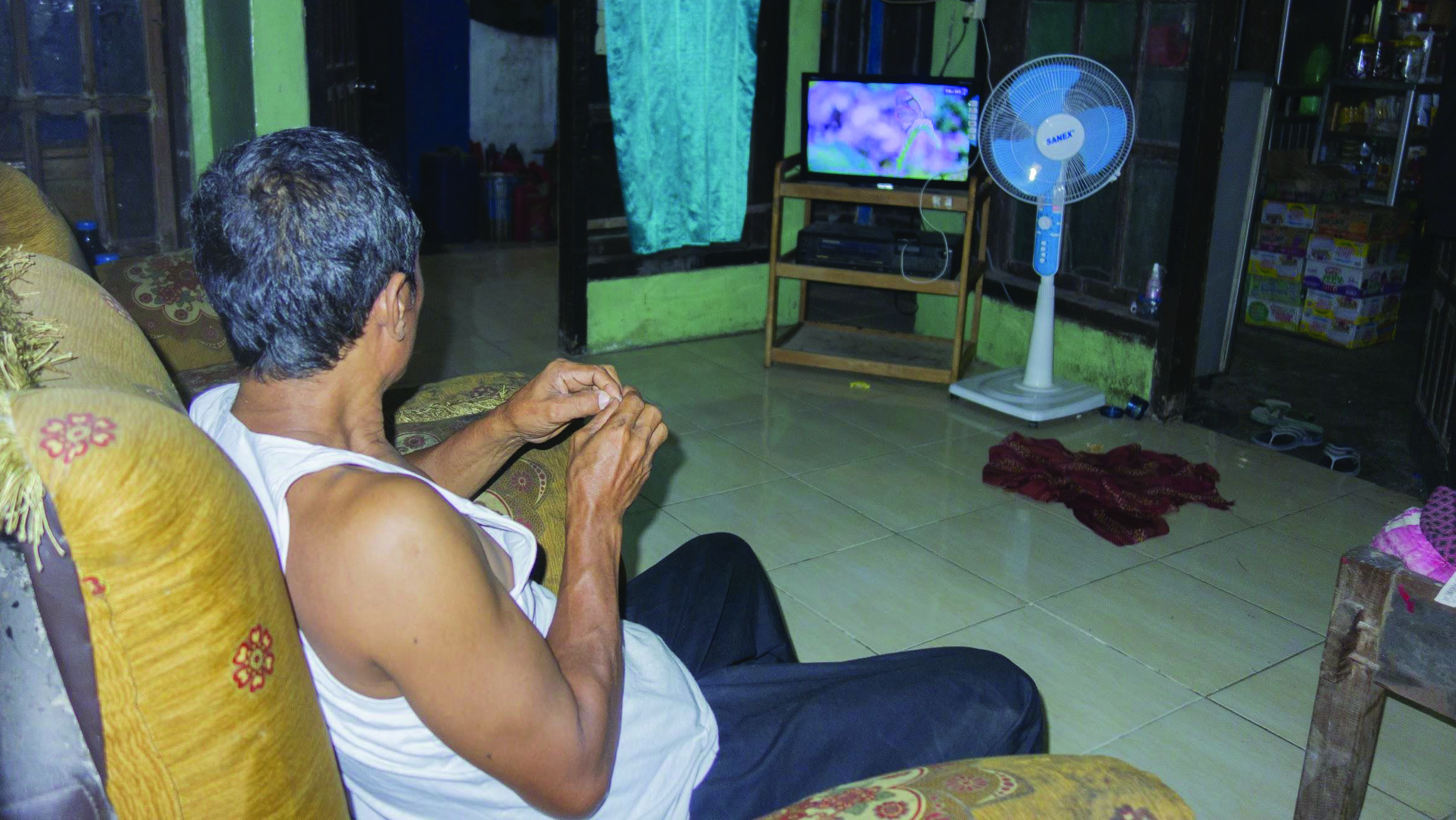
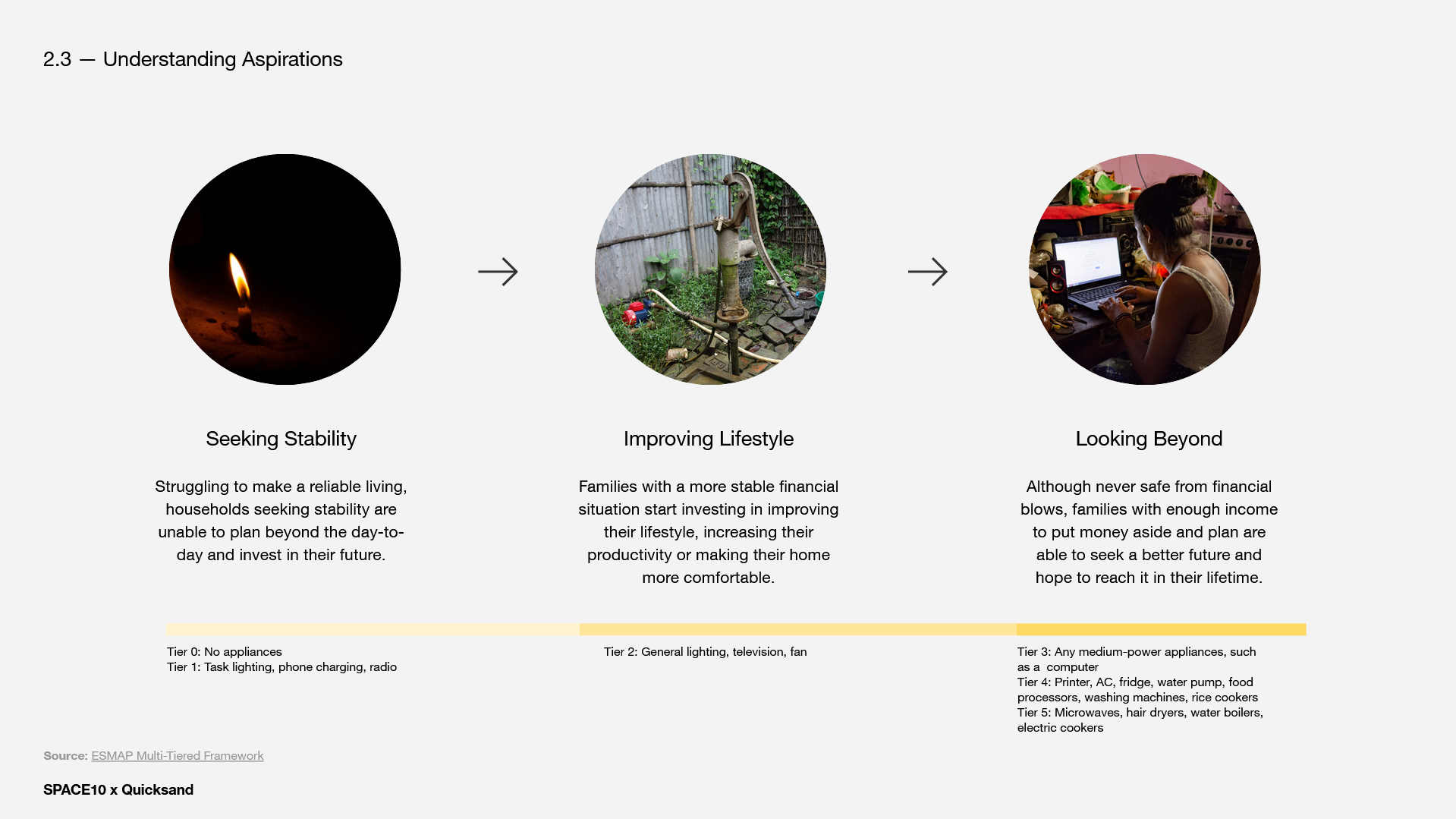
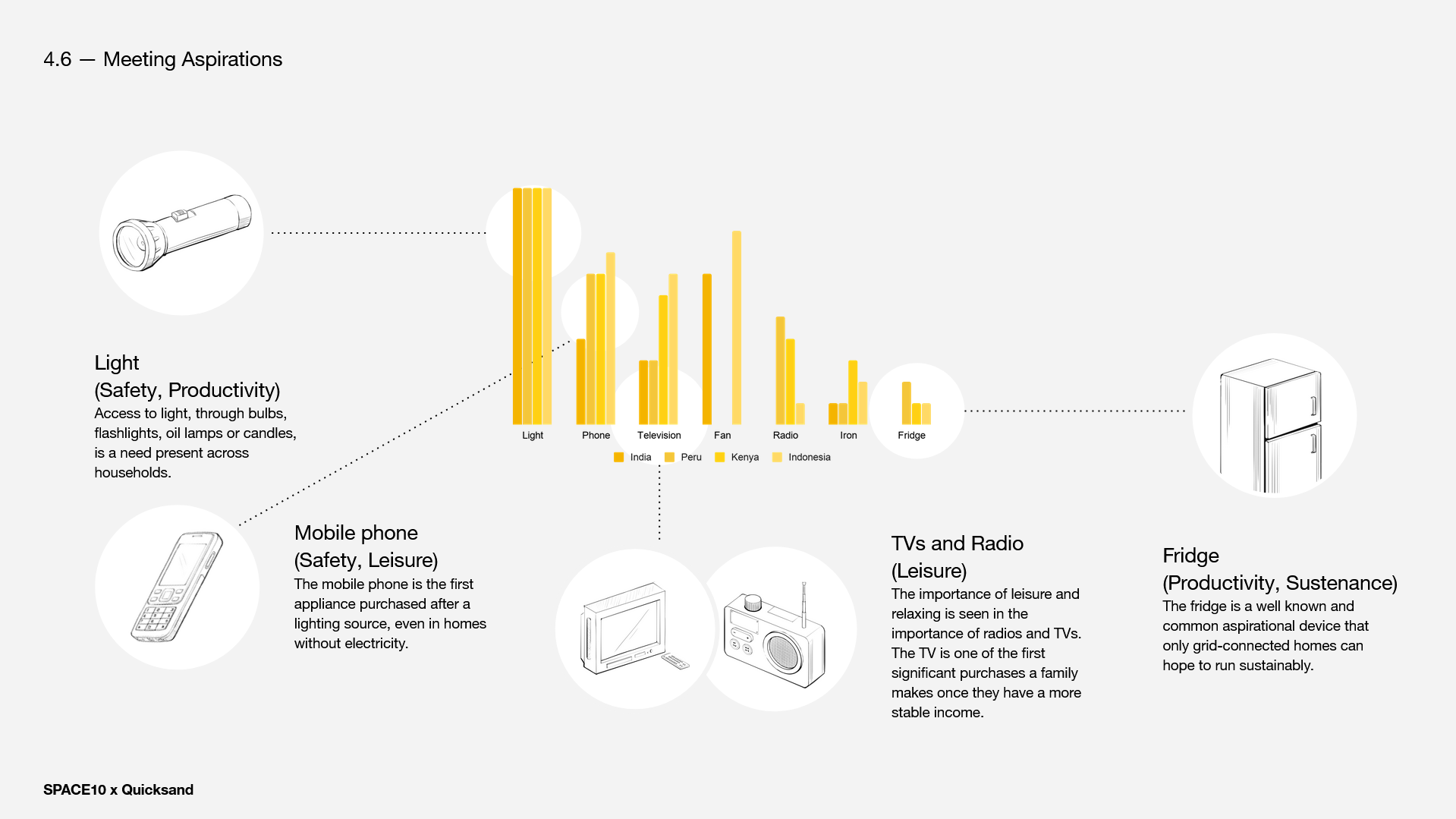
Key Needs The availabilty and use of TVs became an interesting indicator of the quality of the energy access. For those who were able to afford access to energy, either in a limited fashion through home solar products (picoPV or SHSs) or grid connections, the first devices invested in (varies across geographies and the quality of electrification) were bulbs, fans, and TVs. Light can extend active (or productive) hours: women in Peru mentioned using lights to weave at night as a way of relaxing and making a little extra cash. Many of these areas being tropical or sub-tropical fans and cooling devices was a big concern as well. Lastly, the TV became a key sign of the quality of the electrification: it is a very appealing product but the home needs enough capacity to run a TV and if the connection is inconsistent the TV might fry and become too expensive to repair. We saw many more TVs in Kenya and Indonesia than anywhere else. |
 |
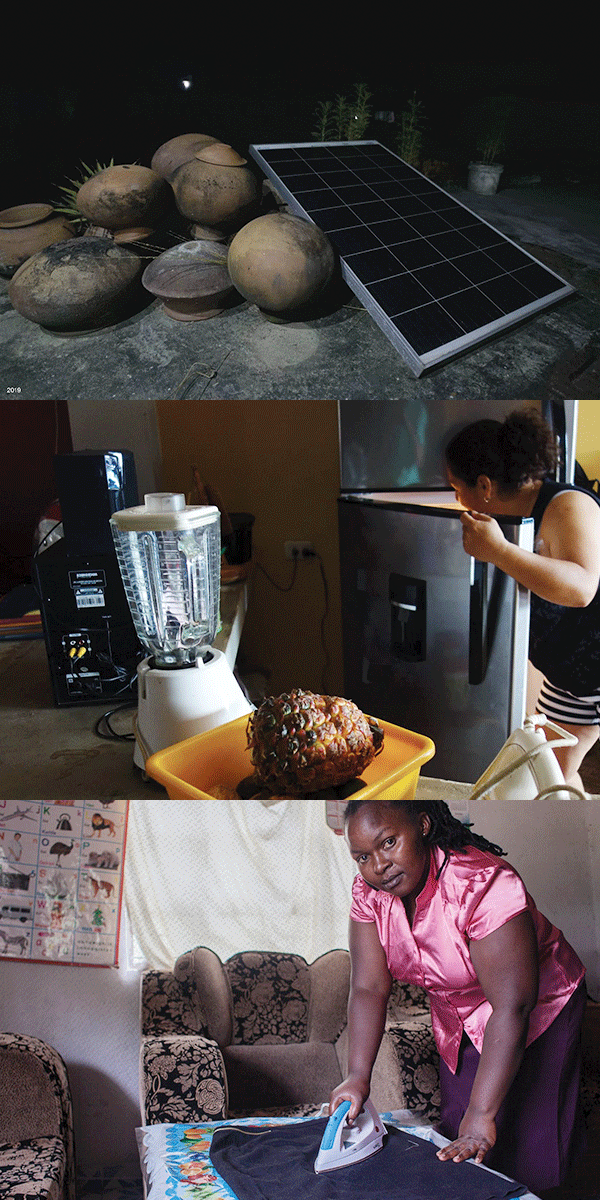
Live-work Homes Productive uses of energy can often be a driver for electricity adoption in the home. As mentioned above, the electricity's ability to impact livelihoods was hard to ignore. Other than lights being used to keep shops open at night, we also saw farmers in India pooling funds to afford solar water pumps for their fields, or shopkeepers in Indonesia running TVs to stay busy when store activity is low. The one appliance we heard of several times but only saw in homes where families had had electricity all their life were fridges. Fridges can keep refreshments like home-made ice-creams for children, but also store sodas and other goods to sell to customers. There are signs of solar-friendly fridges emerging in certain markets, but like the 12V TVs meant to be SHS-friendly, these are still fairly hard to come by. |
 |
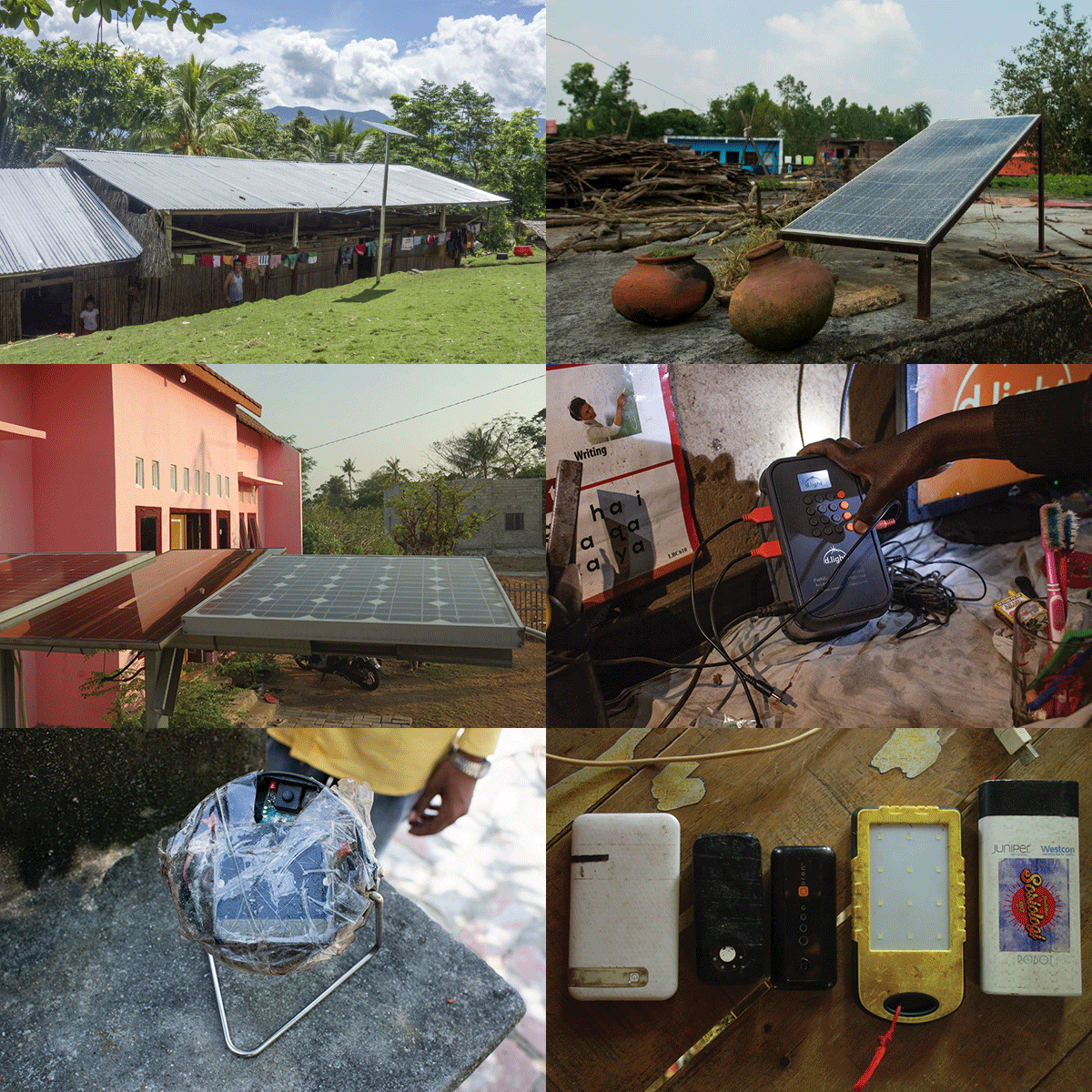
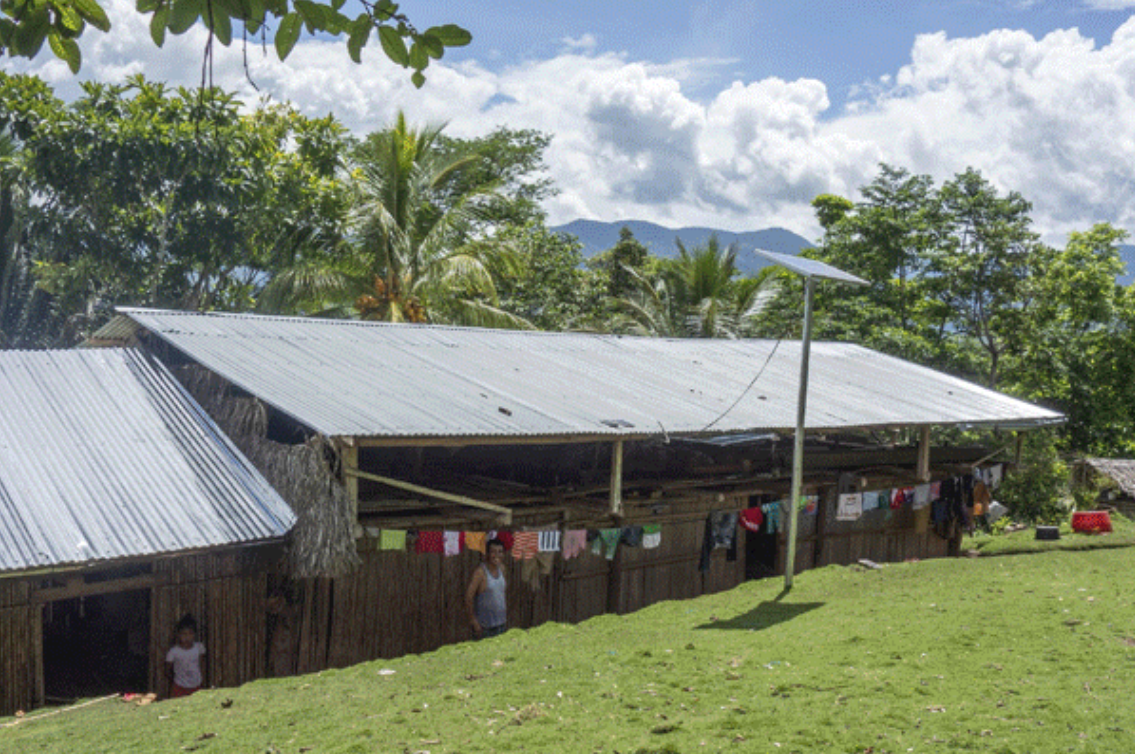
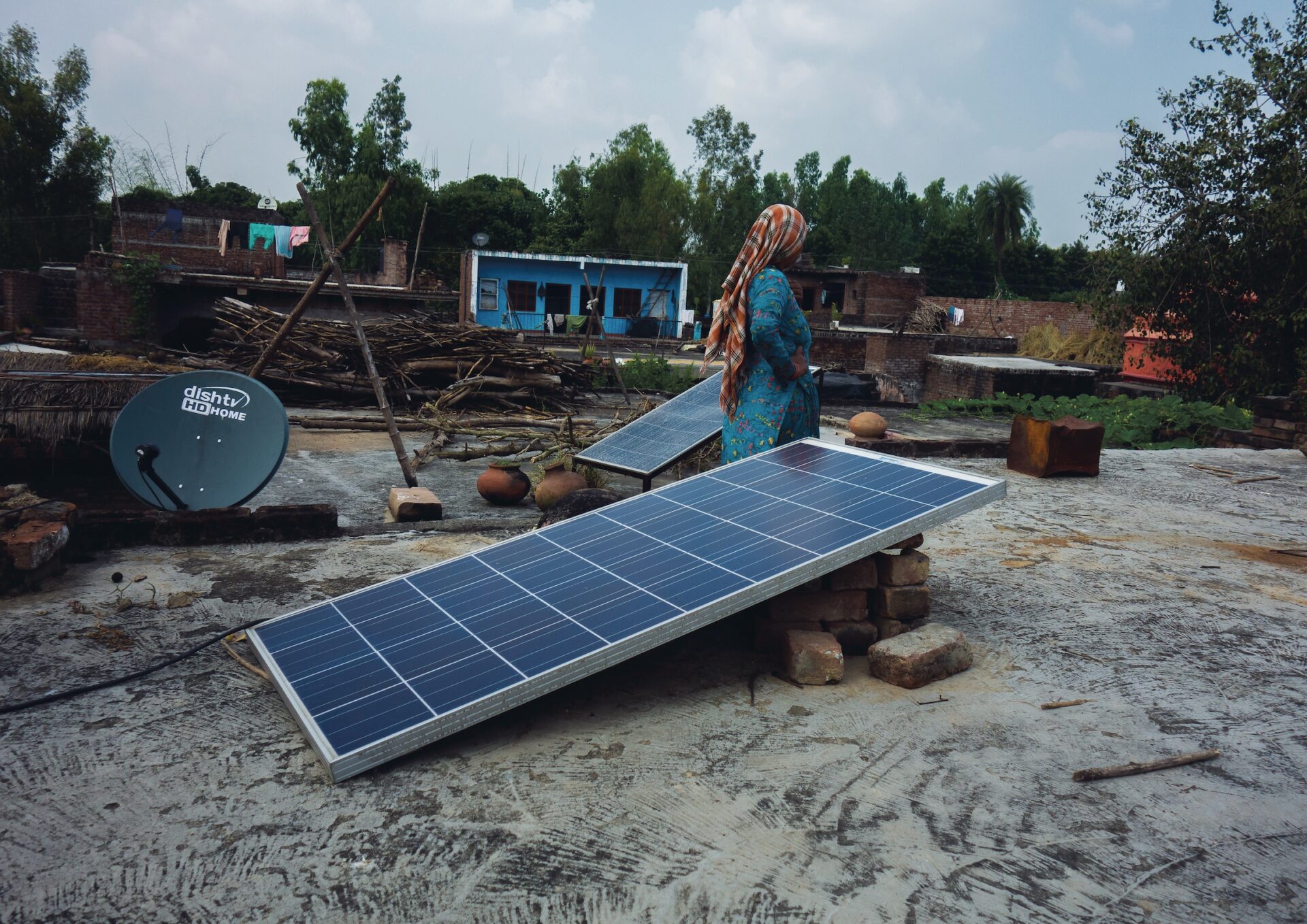
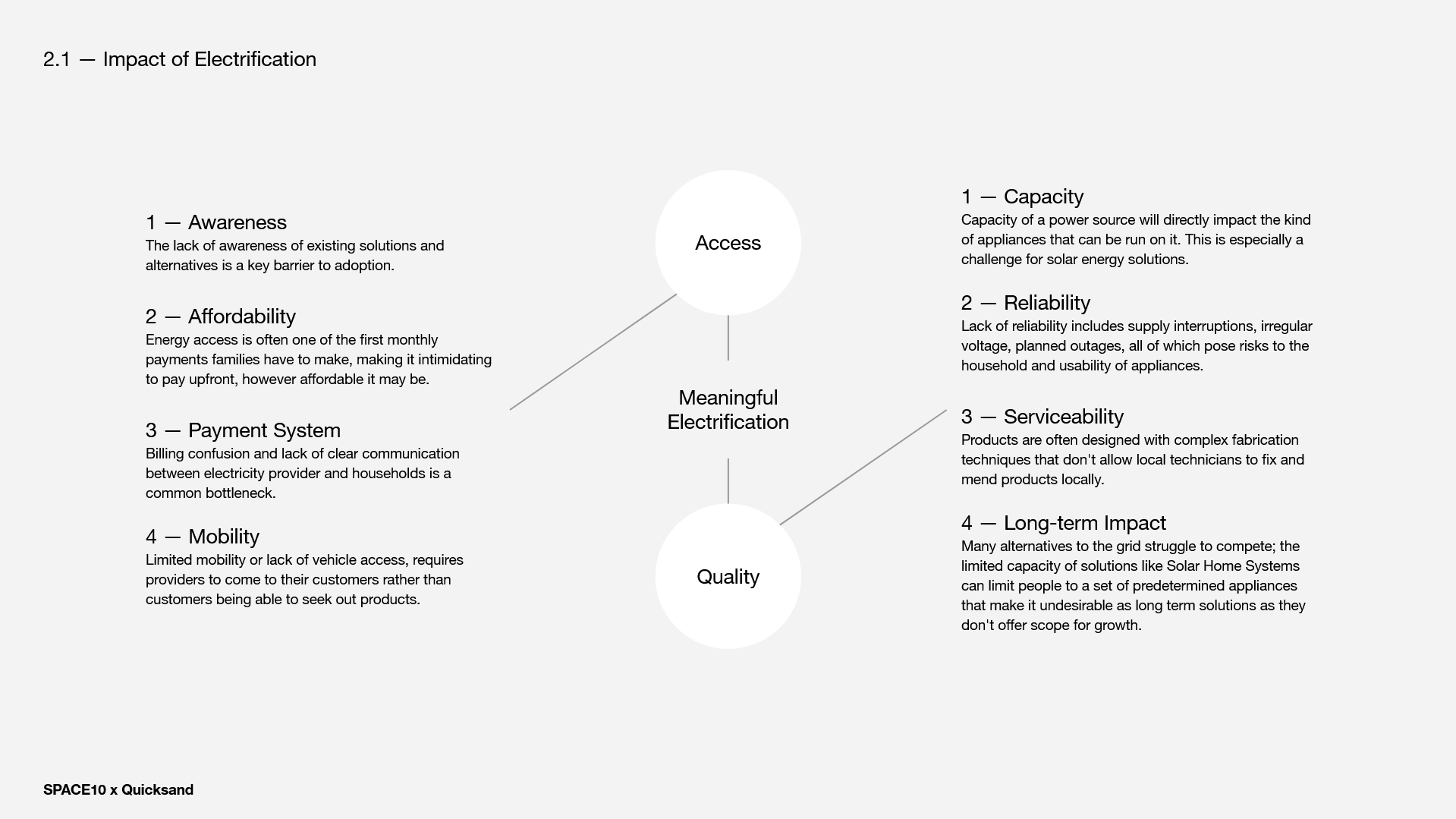
The Solar Trade-off Solar is a promising, reliable and adaptable source of energy but needs further innovation to become relevant in the long term. All in all we found solar can work as a temporary solution (even if temporary means decades), and greatly impact households' lives by providing affordable access to electricity, reducing exposure to toxins, and increasing productive hours. It might even be chosen over a grid connection in areas where the grid is so poorly installed that it puts children or cattle at risk and because it can run during storms without shutting down. However, its ability to provide a lifestyle that is desired, a lifestyle "like in the city" (a phrase that came up many times), solar's capacity remains far too limited as of now. Even communities with solar mini-grids, as seen in Indonesia, struggle to meet the needs of multiple households especially during peak hours when families are relaxing in front of the TV. |
Research Report
The field research pointed to a already well developed solar-powered ecosystem, ranging from portable devices to local micro-grids. However, home-based, private, solar energy provision presented distinct limitations to the quality of life and work a household could hope for.
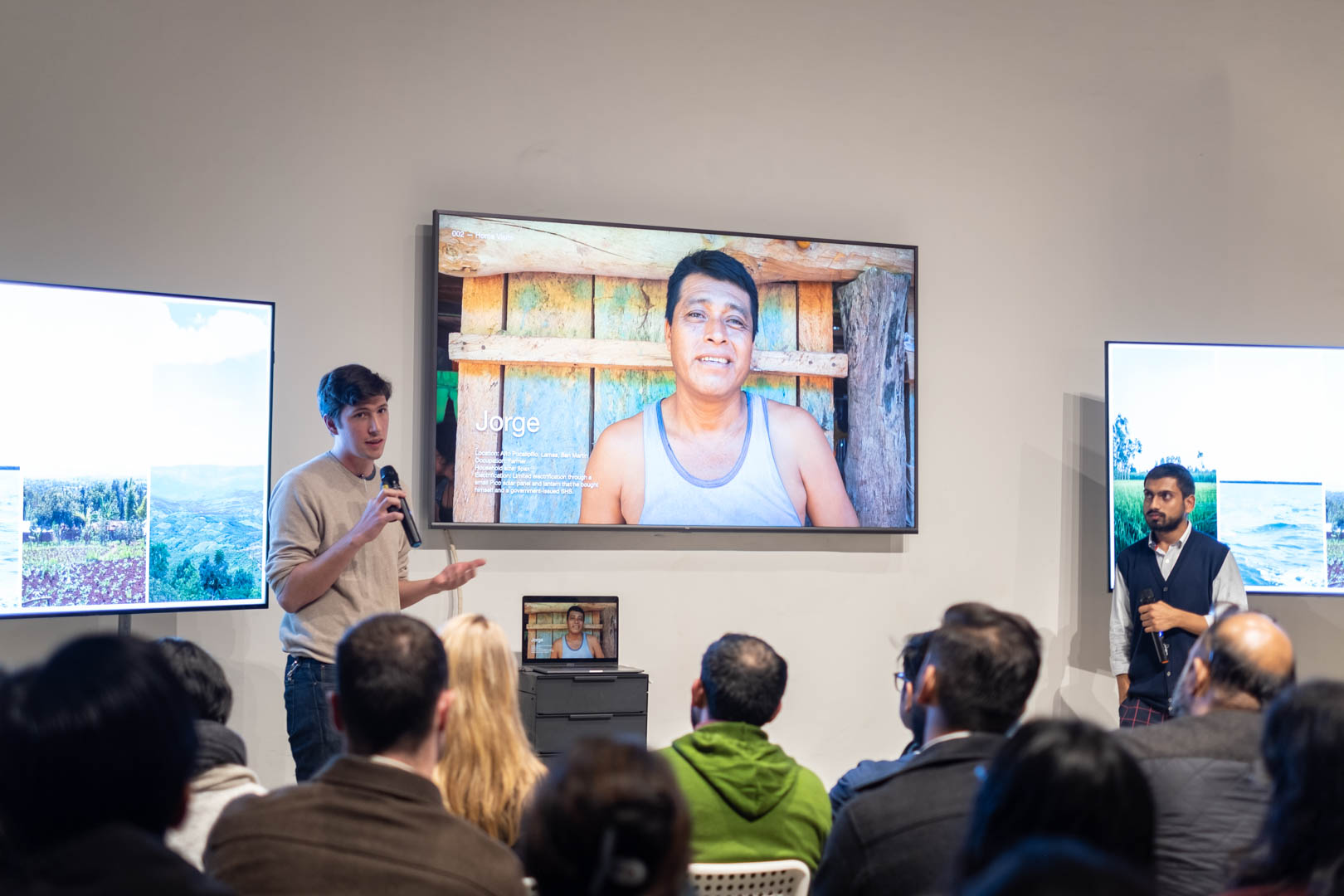
| The report was presented by the research team at Space10's Delhi Capsule during a public exhibit of devices found across Peru, India, Indonesia, and Kenya. The report was produced to inform further internal research at IKEA on the production of portable solar-powered devices (fans, lamps, etc.) Full report is accessible here. |
Notes on the project
 |
|
|---|---|
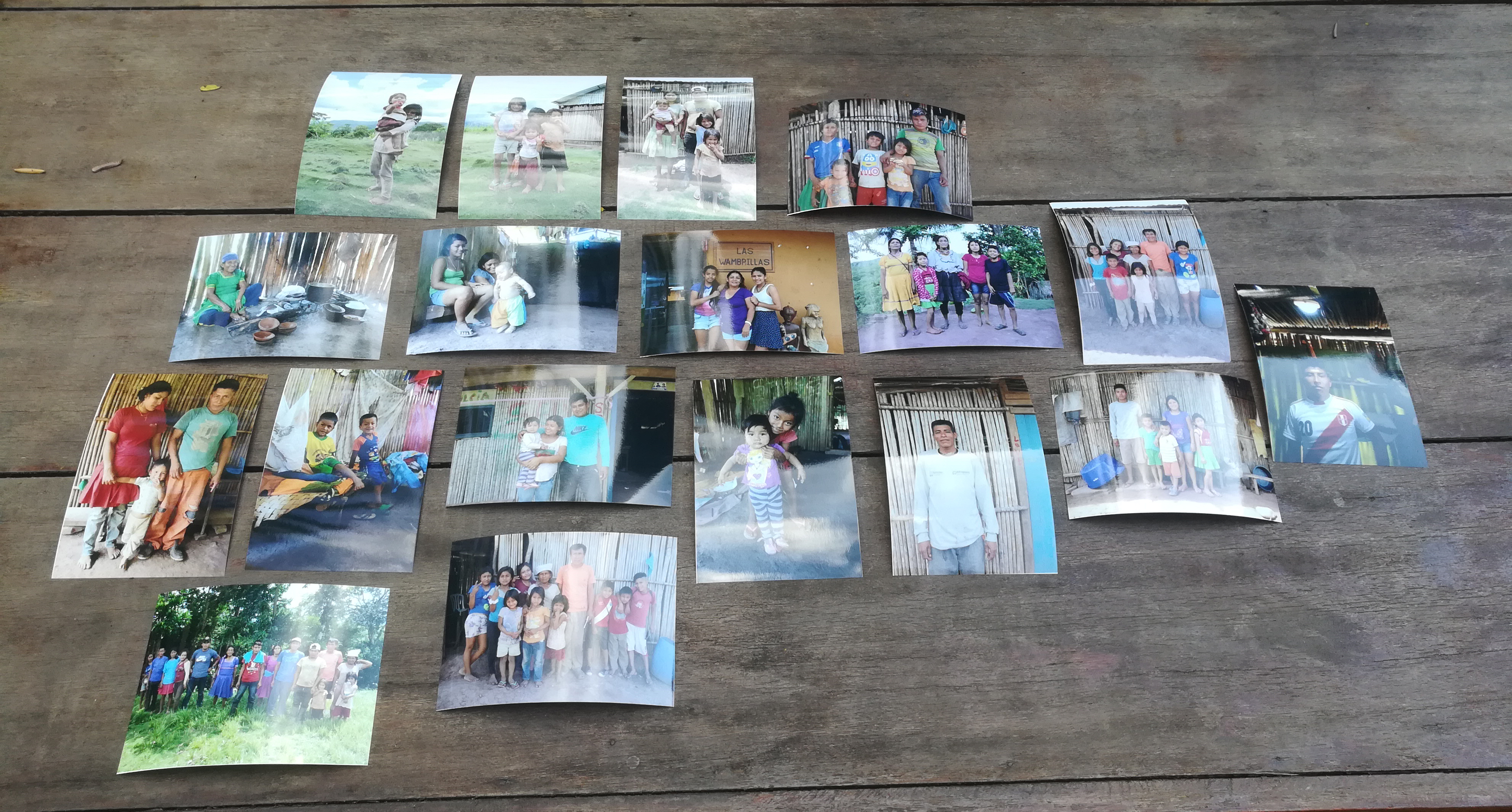
| The experience was invaluable. Being able to take on such a fast-paced project and try it across four countries around the globe with such a limited team (4 researchers, one per location working with a local partner) was a very rewarding challenge and gave us the chance to attend several speaking events. The topic, energy access but also the foundational understanding of what makes a home, has since influenced more recent projects. However, the power imbalance and extractive nature of the work were hard to ignore. For this project I had the chance to visit Peru with the help of our local contact Marlene Vega, an anthropologist based in Lima. The research took place in and around Tarapotto near the jungle. We visited a breadth of homes from rural communities to homeowners who had lived in the city all their life. Thanks to Marlene we had ample time to introduce ourselves and the project to the village elders and outline our involvement: that we were not there to offer any solutions but rather to document current uses of energy and life at home. This was a valuable and necessary step to build rapport and familiarize myself with the context while avoiding possible misconceptions during interviews. We also used a consent form, and made sure we had the consent of participants for anything we filmed or photographed. We had decided in advance how to thank the participants for their time: in India we gave sweets, in Peru and Kenya money, and Indonesia umbrellas — in each location this was decided with the local fixer. Were those steps enough? Although we took the necessary measures to check the boxes of research ethics 101, like informed consent when it comes to sharing images online (we tried our best to convey they'd be shared on social media and offer the option of refusing), was it a fair trade or deal? Lack of energy access is only a symptom of broader institutional shortcomings and I got the chance to document and speak of it in the hope that the energy access community be "invigorated" and inspired to innovate further. This begs the question of how we can rethink the role of design consultants when faced with such glaring power inequalities over the course of short evaluative projects. Please reach out if you've had similar experiences or found solutions to better navigate these situations (from very small acts like printing some of the photos of respondents so they can have them at home, to challenging the premise of projects of this nature, or allocating project funds to support local infrastructural efforts). |
Role: Design Researcher, Project Coordination
Client: Space10
Collaborators:
Location : Delhi, India
🡨 Back